
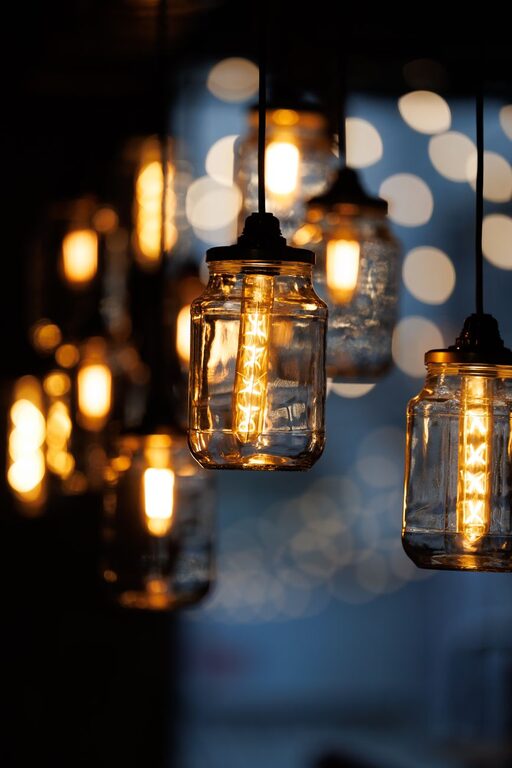
Tips for Choosing Comfortable Home Lighting That Enhances Your Space
Creating a comfortable home environment involves many factors, and lighting plays one of the most important roles. Good lighting not only brightens up your spaces but also influences how you feel and function throughout the day. Choosing the right home lighting can enhance comfort, reduce eye strain, and add charm to your décor. This guide offers practical tips to help you select lighting that suits your needs and style comfortably.
Why Comfortable Lighting Matters
Comfortable lighting affects your mood, productivity, and even your health. Harsh, overly bright lights can cause headaches and discomfort, while dim or poorly positioned lighting can strain your eyes or create an unwelcoming atmosphere. Ideally, lighting should support your daily activities and complement the design of your home.
Understand the Types of Home Lighting
Before choosing fixtures and bulbs, it’s helpful to know the three basic types of lighting used in most homes:
1. Ambient Lighting
This is the main source of light for a room, providing overall illumination. Examples include ceiling-mounted fixtures, chandeliers, and recessed lights. Ambient lighting creates a comfortable level of brightness without glare.
2. Task Lighting
Task lighting focuses light on specific areas for activities like reading, cooking, or working. Desk lamps, under-cabinet kitchen lights, and vanity lights are common examples. It should be bright enough to reduce eye strain but not so harsh that it causes shadows.
3. Accent Lighting
Used to highlight artwork, plants, or architectural features, accent lighting adds depth and visual interest. Spotlights, track lighting, and wall sconces often serve this purpose.
Knowing these types helps you layer your lighting and create a balanced, comfortable environment.
Tips for Choosing Comfortable Home Lighting
1. Consider Natural Light First
Take advantage of natural light during the day. Arrange furniture near windows and use sheer curtains to maximize sunlight. Natural light is the most comfortable and healthy option, so complement it with artificial lighting only when needed.
2. Choose Warm Light Bulbs
Bulb color temperature affects how a room feels. Warm white bulbs (around 2700K to 3000K) emit a soft, cozy glow that’s ideal for living rooms and bedrooms. Cooler bulbs (above 4000K) can feel harsh and are better suited for workspaces like kitchens or home offices.
3. Use Dimmers for Flexibility
Installing dimmer switches allows you to adjust brightness based on time of day or activity. Dimmers help create a relaxing atmosphere in the evening while providing enough light for tasks during the day.
4. Match Lighting to Room Function
Different rooms require different lighting approaches:
– Living Room: Combine ambient lighting with accent lamps for a warm, inviting space.
– Kitchen: Bright task lighting for countertops and stovetops ensures safety and efficiency.
– Bedroom: Soft ambient lights and bedside lamps promote relaxation and reading comfort.
– Bathroom: Bright, even lighting near mirrors aids grooming.
5. Avoid Glare and Harsh Shadows
Position lights thoughtfully to prevent glare in your eyes or harsh shadows that can cause discomfort. For example, indirect lighting or lampshades can diffuse light evenly.
6. Select the Right Fixture Style and Size
The fixture itself affects comfort and style. Large hanging fixtures can overwhelm small rooms, while tiny lights may provide insufficient illumination in bigger areas. Choose fixtures that complement your décor and fit the size of the space.
7. Opt for Energy-Efficient LED Bulbs
LED bulbs use less energy, last longer, and come in a variety of color temperatures. They also produce less heat, making them safer and more comfortable to use.
8. Layer Multiple Light Sources
Combining ambient, task, and accent lighting creates depth and flexibility. For example, a living room might have an overhead chandelier (ambient), a floor lamp next to a chair (task), and wall sconces highlighting artwork (accent).
9. Test Before You Buy
If possible, test lighting options in your home during different times of day. Small changes in brightness or color temperature can have a big impact on comfort.
Maintaining Your Home Lighting Comfort
Once you choose your lighting, regular maintenance helps keep it comfortable:
– Clean fixtures and bulbs regularly to ensure maximum brightness.
– Replace bulbs as they dim or flicker.
– Adjust furniture or fixture placement if lighting feels off.
Final Thoughts
Selecting comfortable home lighting is about more than just brightness. It involves understanding how light affects your space and mood, choosing the right bulbs and fixtures, and layering different types of light for flexibility. With these tips, you can create a home that feels bright, cozy, and inviting at any time of day. Remember, lighting is both a practical necessity and an opportunity to enhance your personal style.
By investing a bit of thought into your lighting choices, you’ll enjoy a home environment that not only looks great but supports your comfort every day.
