
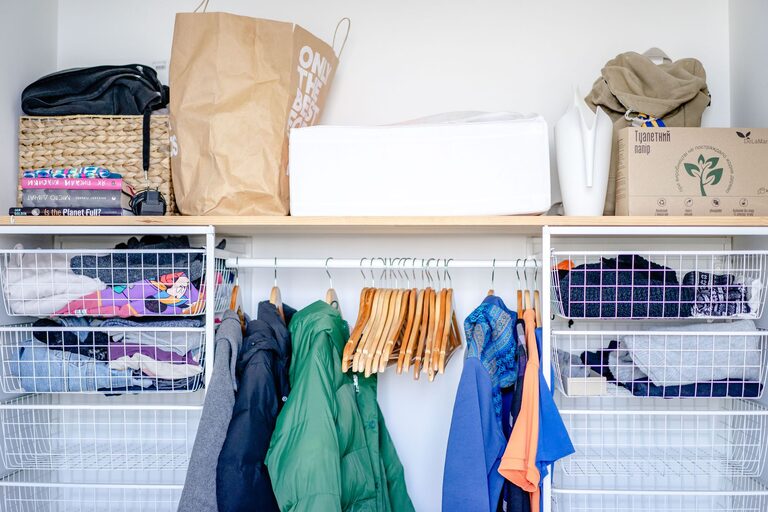
How to Store Seasonal Clothes Efficiently for Year-Round Organization
Storing seasonal clothes efficiently can save you time, protect your garments, and keep your living space clutter-free. Whether you’re packing away winter coats during summer or tucking away summer dresses in the colder months, the right methods ensure your clothes stay fresh, wrinkle-free, and ready to wear. This guide will walk you through practical steps to optimize your seasonal clothing storage.
Why Proper Storage Matters
When clothes are stored improperly, they can develop odors, wrinkles, or even damage from pests and moisture. Efficient storage also maximizes your closet and storage space, making it easier to find what you need when the season changes. By following some straightforward organization and storage tips, you’ll extend the life of your clothes and maintain a tidy home.
Preparing Clothes for Storage
Clean Everything First
Before storing your seasonal clothes, always wash or dry clean them. Dirt, oils, and stains can set in over time and cause permanent damage or attract insects. Make sure all items are completely dry to prevent mold and mildew.
Repair and Sort
Take some time to repair any small damages like missing buttons or loose threads. Sorting clothes by type—such as tops, bottoms, or outerwear—and by season will simplify packing and retrieval later.
Choosing the Right Storage Containers
Use Breathable Options
Fabric storage bins, cotton bags, or garment bags made from breathable materials are ideal. They allow air circulation, which helps prevent musty smells and mildew growth.
Avoid Plastic Bags
Although convenient, plastic bags trap moisture and increase the risk of mildew. If you must use plastic containers, choose airtight bins with desiccants (like silica gel packets) to absorb moisture.
Consider Vacuum-Sealed Bags With Caution
Vacuum-sealed bags save space but may compress delicate fabrics and cause creases. Use these only for durable items like coats or sweaters, and avoid storing leather or natural fibers this way.
Organizing Your Storage Space
Label Everything
Clearly label your storage boxes or bags with the contents. Labels make it easy to locate specific items without opening every container.
Store by Frequency of Use
Place garments you’ll need first closest to your usual storage area. For example, if you switch to spring clothes in March, keep those boxes accessible, while winter clothes can be stored further away.
Use Shelves and Under-Bed Storage
Utilize vertical space with shelving units or stackable bins. Under-bed storage boxes are perfect for items you want out of sight but still accessible.
Protecting Your Clothes from Damage
Use Cedar or Lavender
Natural repellents like cedar blocks or lavender sachets deter moths and add a pleasant scent. Avoid mothballs, which contain chemicals that can be harmful around children and pets.
Include Moisture Absorbers
Place moisture-absorbing packets in your storage containers to reduce humidity and prevent mold or mildew.
Avoid Hanging Heavy Items
Store bulky coats flat to maintain their shape and prevent hangers from stretching the fabric. Use padded hangers for lighter, delicate garments if you choose to hang them.
Maintaining Efficiency Over Time
Regularly Check Stored Clothes
Every few months, open your storage containers to air out clothes and check for any signs of damage or moisture.
Rotate Seasonal Clothes
When switching seasons, review what you stored and declutter items you no longer wear. This keeps your wardrobe manageable and storage space optimized.
Keep a List of Stored Items
Maintain an inventory list that you update each time you add or remove clothes. This helps you keep track and avoid buying duplicates.
Bonus Tips for Seasonal Closet Swaps
– Plan your swap day in advance to make the process smoother.
– Use this opportunity to donate or recycle clothes you no longer need.
– Clean your closet area before returning your newly stored items for the next season.
—
By following these tips, you can keep your seasonal clothes in great condition, save space, and enjoy a more organized home. Efficient storage is not just about putting clothes away—it’s about caring for your wardrobe and making your life easier throughout the year. Happy organizing!
